

Small Habits, Strong Character: Raising Responsible Kids at Home
Teaching responsibility is one of the most important aspects of parenting, yet many parents wonder where to begin.
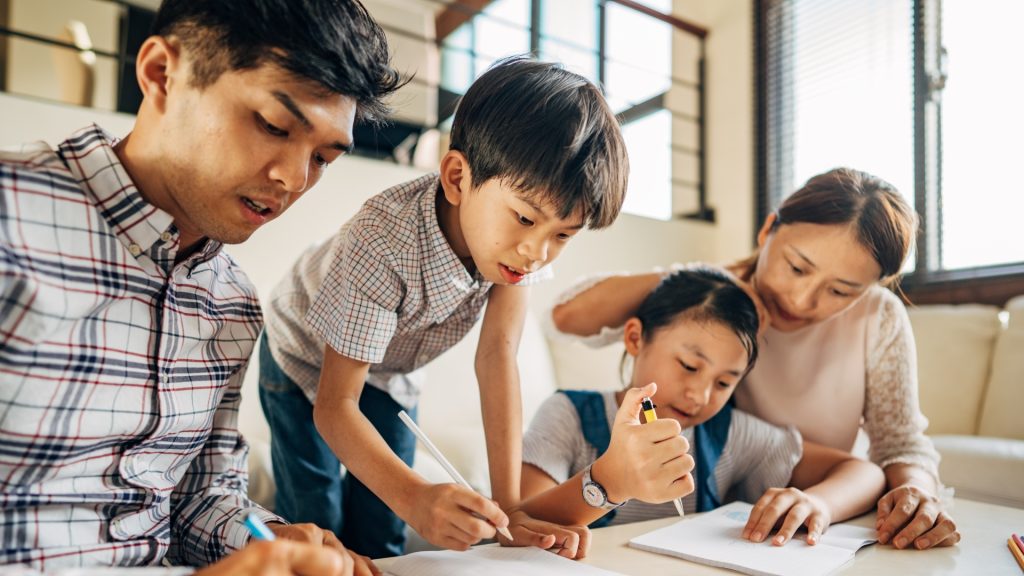
In a fast-paced world, it is easy to focus on academic success while overlooking daily habits that shape a child’s character. In a Christian School environment, responsibility is not only taught in the classroom but also nurtured through consistent parenting at home. Responsibility does not develop overnight. It is built through small, intentional habits practiced every day. Simple tasks such as making the bed, organizing school materials, or helping with household chores can teach children accountability and independence. These activities may seem minor, but they play a significant role in helping children understand that their actions matter.
Parenting with purpose means allowing children to take ownership of their responsibilities, even when mistakes happen. Instead of immediately correcting or taking over, parents can guide children to learn from their experiences. This process helps build resilience, problem-solving skills, and confidence. Over time, children begin to understand that responsibility is not a burden, but a valuable life skill.
In a Christian School setting, values such as discipline, stewardship, and integrity are reinforced through both learning and daily practice. When parents align these values at home, children experience consistency that strengthens their character formation. Responsibility becomes more than just completing tasks—it becomes part of who they are.
Ultimately, effective parenting is not about perfection, but about consistency. Small habits, repeated daily, can shape a child’s future in meaningful ways. By teaching responsibility at home, parents are preparing their children not only for school, but for life.
Consistency in teaching responsibility also requires patience and intentional presence from parents. Children learn best not only through instructions, but through example. When parents model responsibility in their own daily actions—keeping commitments, managing time wisely, and following through on tasks—children begin to internalize these behaviors. Over time, this consistent modeling helps children see responsibility as a normal and essential part of everyday life, rather than something that is forced upon them.